

Dr. Neha Sharma
Explore the scientifically proven benefits, active compounds and modern applications of Ashwagandha extract in today’s wellness industry.
What is Ashwagandha?
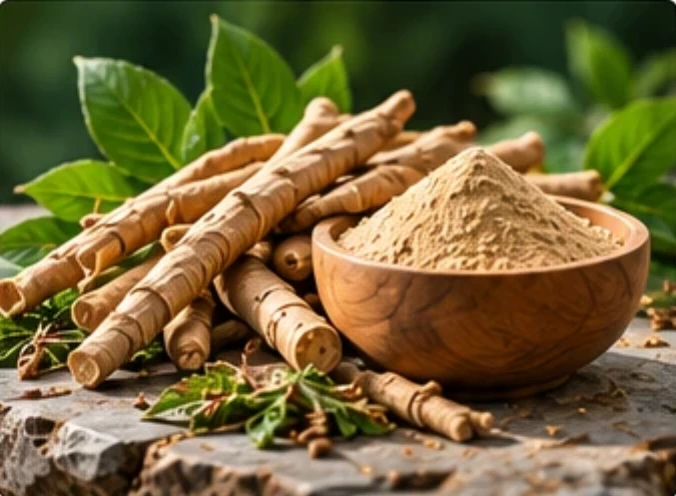
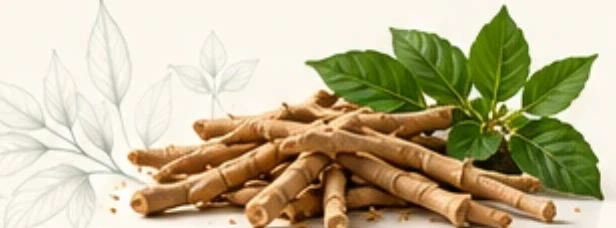
Ashwagandha (Withania somnifera) is a small woody shrub native to India and parts of the Middle East and Africa. Its root has been used in Ayurveda for centuries, where it is classed as a rasayana, a group of herbs traditionally taken to support vitality and resilience.
Today the same root is one of the most widely studied botanicals in the nutraceutical industry, and standardized extracts have made it possible to deliver its key compounds in a consistent, measurable form.
The active compounds
The compounds most associated with Ashwagandha’s activity are the withanolides, a family of naturally occurring steroidal lactones concentrated in the root. A quality extract is usually standardized to a defined withanolide content so that every batch performs the same way in a formulation.
- Withanolides – the primary marker compounds used for standardization.
- Alkaloids – present in smaller amounts in the root.
- Saponins and sitoindosides – contribute to the full-spectrum profile of the extract.
A standardized extract turns a traditional herb into an ingredient that formulators can measure, specify and rely on.
What the research says
Ashwagandha is commonly described as an adaptogen. Published clinical studies have explored its role in supporting the body’s response to everyday stress, sleep quality, and energy and physical performance. Results vary with the extract used, its standardization and the dose, which is why the specification of the ingredient matters as much as the herb itself.
Why extraction matters
Two extracts made from the same root can differ widely. The solvent, extraction ratio, temperature and drying method all influence which compounds are retained and in what proportion.
- Sourcing – roots from trusted growers, checked for identity on arrival.
- Extraction – water or ethanol extraction matched to the target specification.
- Standardization – withanolide content adjusted to the agreed range.
- Testing – every batch tested for heavy metals, microbiology, pesticides and residual solvents.
Modern applications
Ashwagandha extract is used across capsules and tablets, functional foods and beverages, powders and gummies. Its growing popularity has also raised expectations around documentation, so buyers increasingly ask for organic certification and a Certificate of Analysis with every batch.
Key takeaways
- Withanolides are the marker compounds that define a standardized Ashwagandha extract.
- Extraction method and standardization determine how consistent an extract is.
- Batch-level testing and documentation are essential for global supply.